.png)
















TL;DR
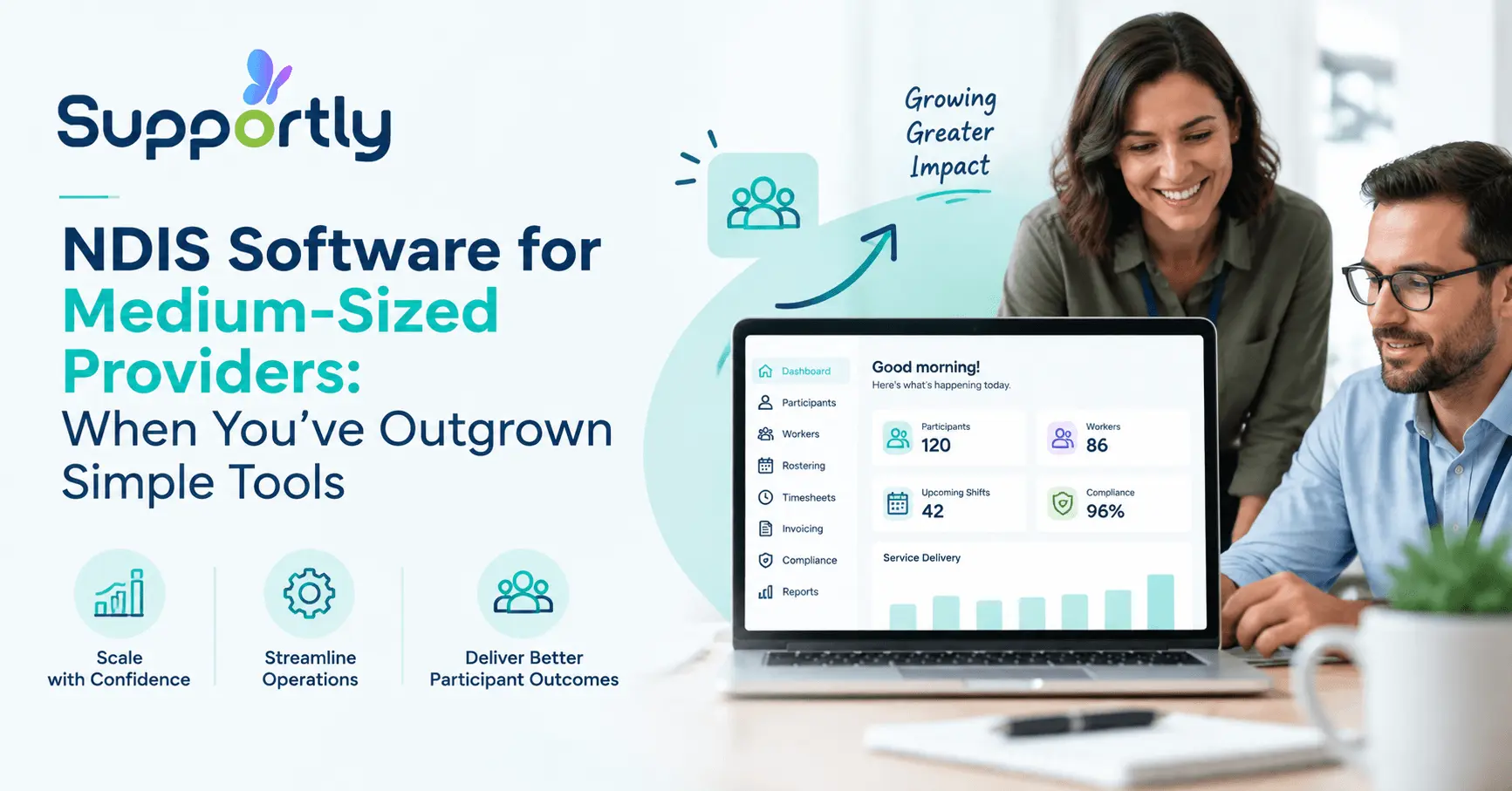
If you're running an NDIS provider with 20–100 participants, spreadsheets and basic apps start breaking down, more rostering errors, slower invoicing, and compliance documentation that's harder to keep current. Supportly is built specifically for this growth stage, with multi-site rostering, SCHADS payroll automation, a real-time compliance dashboard, and connected invoicing. Migration takes two to three weeks with guided onboarding, so switching doesn't mean disrupting participant support. If two or more of the warning signs sound familiar, it's worth booking a demo to see if you're a fit.
NDIS provider owners rarely notice the exact moment they outgrow their software. It happens gradually, then all at once. The spreadsheet that worked fine at 10 participants starts producing rostering errors at 30, and by the time you're supporting 50 or more, those small cracks turn into genuine compliance risk.
If that sounds familiar, this article is written for you. It's for NDIS provider owners and operations managers sitting between 20 and 100 participants, past the point where a basic tool cuts it, but not yet ready to commit to an expensive, enterprise-grade platform.
You know your current system is holding you back. What you're less sure about is whether switching is worth the cost, the disruption, and the risk of getting it wrong. Let's work through it properly.
Signs You've Outgrown Your Current NDIS Software
Growing pains show up in specific, measurable ways. Here are the signals we hear most often from providers at your stage.
Rostering errors are increasing, not decreasing. Double bookings, unfilled shifts, and last-minute scrambles become more frequent as your support worker count climbs past 15 or 20.
Invoicing takes days instead of hours. What used to be a quick Friday afternoon task now eats into your week, especially when NDIS claim rejections send you back to fix line items manually.
Compliance documentation is starting to slip. Incident reports, worker screening checks, and service agreements live in separate folders, and nobody's entirely confident everything is current.
Staff are spending hours on admin that should take minutes. Support coordinators and team leaders tell you they're doing data entry instead of supporting participants, which is not why they took the job.
You've hit a manual ceiling. Spreadsheets and basic apps are built for small teams. Once you cross 20 participants and multiple support workers, the same tools that once saved time start creating it.
Onboarding new staff takes longer than it should. Every new support worker means re-entering the same details across three or four disconnected systems, which slows down hiring right when you need people fastest.
If two or more of these sound familiar, you're not imagining it. Your organisation has changed shape, and your software hasn't kept up.
.jpg)
What Medium-Sized Providers Need That Small-Provider Tools Can't Deliver
Small-provider tools solve small-provider problems. At your scale, the gaps become specific and expensive.
Multi-site rostering is the first casualty. If you're coordinating support workers across two, three, or more locations, a single flat calendar can't handle the overlapping shifts, travel time, and worker availability you're now juggling.
SCHADS payroll automation matters more than most providers realise until they're doing it manually. Correctly applying penalty rates, allowances, and broken shift rules under the SCHADS Award by hand is slow and genuinely error-prone at volume.
An integrated compliance dashboard becomes essential once the NDIS Quality and Safeguards Commission starts auditing you as a serious operator rather than a startup. The Commission has moved to more active, intelligence-led enforcement in 2026, watching complaint patterns and incident data continuously rather than only at audit time.
That means your compliance evidence needs to be current every day, not tidied up six weeks before an audit. You need one place showing training records, incident reports, and worker screening status, not six separate folders.
HRM at scale means worker onboarding, screening checks, qualifications, and availability need to sit in one connected system. Chasing this information across email threads doesn't scale past a handful of staff.
Connected invoicing ties rostering, service delivery, and NDIS claims together automatically. Disconnected invoicing means someone is manually cross-checking hours delivered against hours billed, shift by shift, every fortnight.
Registration requirements are also getting stricter. Supported Independent Living providers and platform providers now need full NDIS Commission registration, which raises the compliance bar for anyone operating in that space.
Small-provider software simply wasn't built to carry this weight. It was designed for one location, one payroll rule, and a handful of participants.
The Cost of Staying on the Wrong Platform
Staying on tools built for a smaller organisation isn't a neutral choice. It has a real, ongoing cost.
Staff time lost to admin adds up fast. If your team spends even five extra hours a week on manual rostering and invoicing fixes, that's roughly a quarter of a full-time role disappearing into work your software should be doing.
Compliance risk exposure grows with participant numbers. A documentation gap that goes unnoticed at 15 participants becomes a major non-conformity finding at 60, and major findings now come with a three-month remediation window that affects your registration standing.
Billing errors compound at 50-plus participants. A small invoicing mistake that costs you an hour to fix at 15 participants becomes a systemic revenue leak once you're processing hundreds of shifts a fortnight.
Staff turnover increases when the job becomes more admin than care. Support workers and coordinators who signed up to work with participants don't stay long doing data entry instead of delivering support.
Growth stalls without you noticing. Every hour spent fighting your software is an hour not spent taking on new participants, onboarding new support workers, or expanding into a new region.
None of this shows up as one dramatic failure. It shows up as a slow erosion of margin, morale, and confidence going into every audit cycle.
How Supportly Is Built for This Growth Stage
Supportly was built specifically for providers at this inflection point, not scaled down from an enterprise product or scaled up from a solo-operator app.
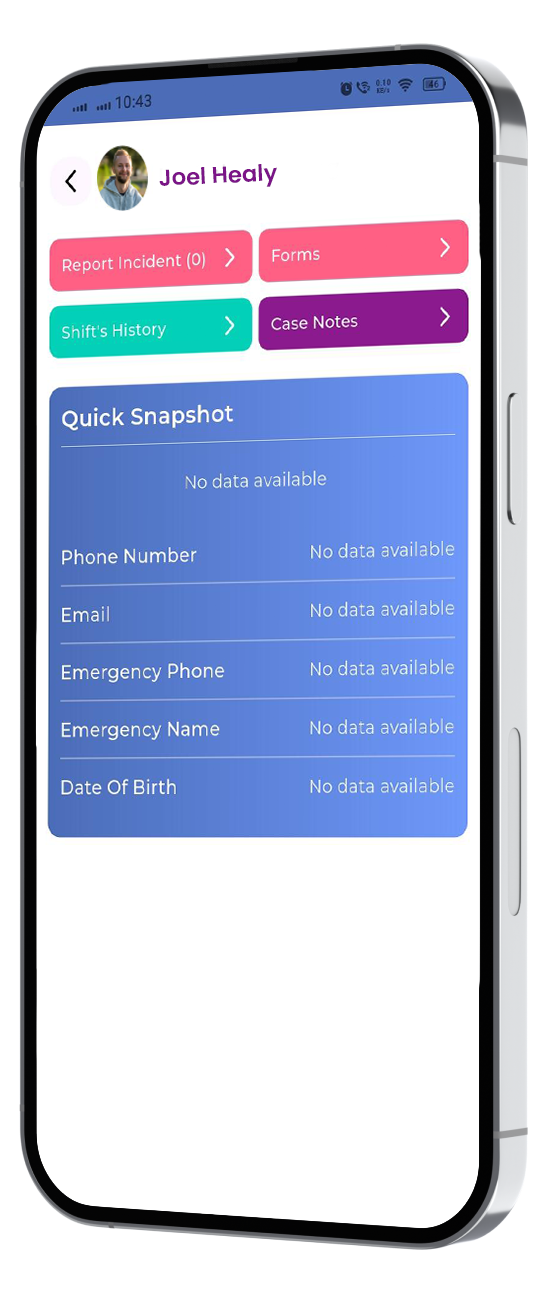
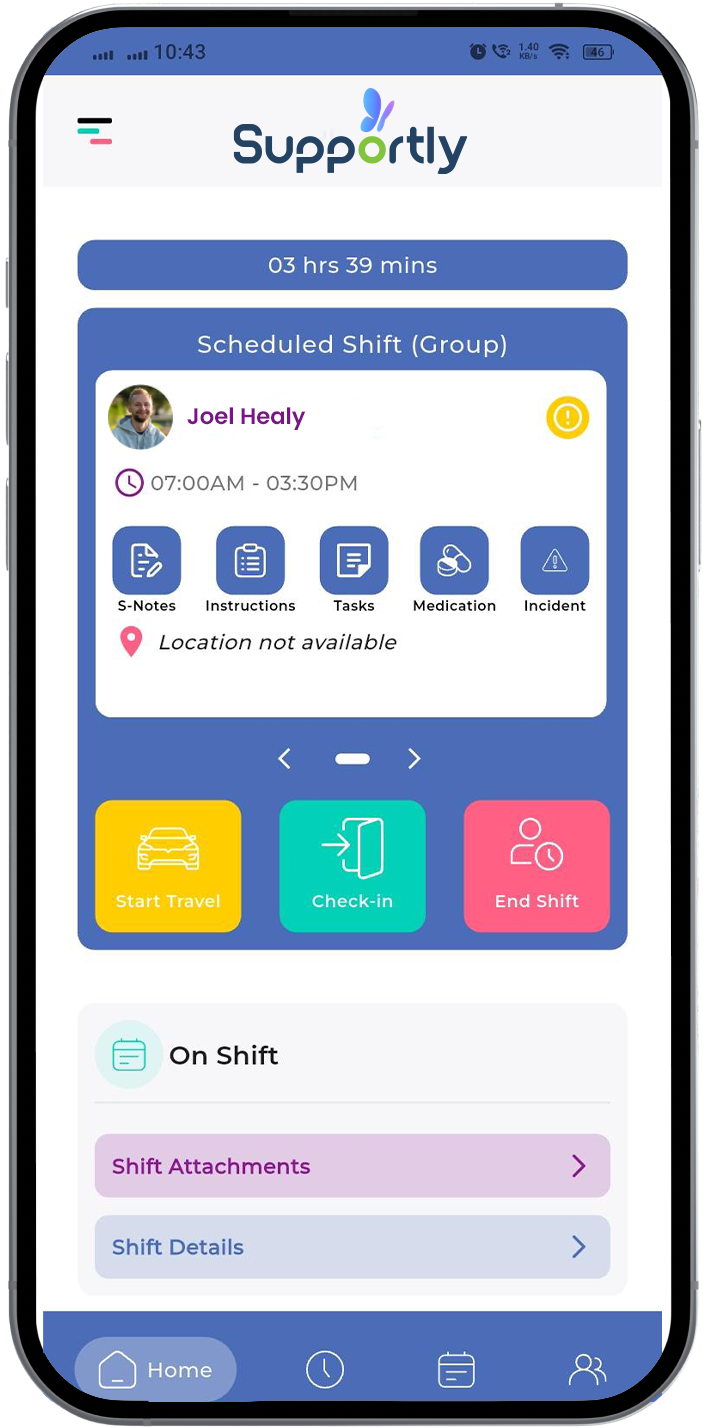
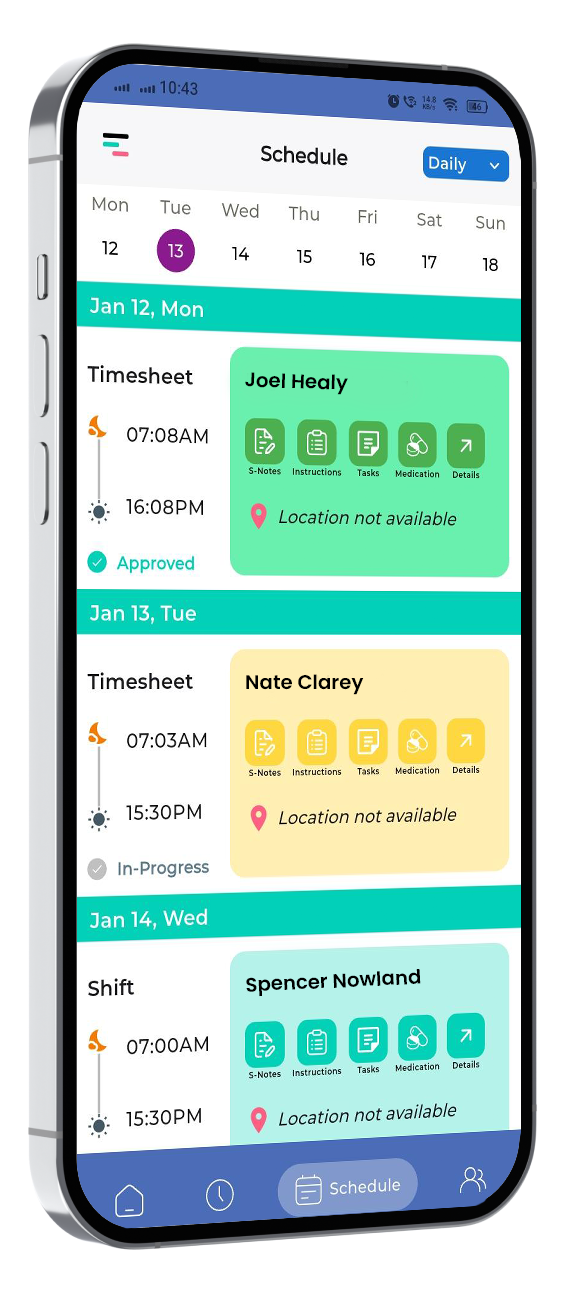
Multi-site rostering in Supportly shows every worker, every location, and every shift in one connected view. Coordinators can spot conflicts and fill gaps in minutes, not by scrolling between spreadsheets.
SCHADS payroll automation calculates penalty rates, allowances, and broken shifts correctly every time. Providers using Supportly tell us payroll processing time drops significantly once the calculations stop happening by hand.
The compliance dashboard tracks worker screening expiry, training currency, and incident reporting against the current NDIS Practice Standards in real time. You see exactly where you stand before an auditor does, not after.
Connected invoicing links delivered shifts directly to NDIS claims, cutting the manual reconciliation that eats a finance team's week. Claim rejections drop because the data is accurate from the point of entry, not fixed after the fact.
HRM tools bring worker onboarding, document management, and availability into one system your team actually wants to use. New support workers can be onboarded and roster-ready in days, not weeks.
Every part of the platform is connected. A shift confirmed in rostering flows straight through to payroll, invoicing, and your compliance record, without anyone re-entering the same data three times.
Providers who've made the move describe the same pattern: fewer rostering errors within the first month, faster invoicing within the first billing cycle, and a compliance dashboard that finally gives them confidence going into an audit.
If you want the detail, our team can walk you through exactly how Supportly's rostering, payroll, and compliance tools work for a provider your size.
What Migration Actually Looks Like
The switching cost is the objection we hear most, and it's a fair one. Here's what actually happens.
Data import comes first. Your existing participant records, worker details, and historical rostering data get imported and checked against your current system before anything goes live.
Setup typically takes two to three weeks. That includes configuring your sites, worker groups, service agreements, and SCHADS pay rules to match how your organisation actually operates.
Guided onboarding means you're not left to configure a new platform alone. A dedicated onboarding specialist works through your specific setup with you, not a generic training video.
Ongoing support continues after go-live. Questions about a tricky roster, an award interpretation, or a compliance requirement get answered by someone who understands the NDIS sector, not a general help desk.
Most providers run both systems in parallel for a short handover period, which removes the risk of a hard cutover disrupting participant support.
By the time your team is fully on Supportly, they've usually stopped thinking about the old system entirely. The switch fades into the background fast.

Making the Right Call for Your Organisation
Outgrowing your NDIS software isn't a failure. It's a sign your organisation has grown past where you started, which is exactly what you set out to do.
The question isn't whether to upgrade eventually. It's whether you keep absorbing the cost of manual rostering, slow invoicing, and compliance uncertainty while you decide.
Providers who make the switch at 20 to 100 participants, rather than waiting until 150, tell us the transition is smoother and the payoff arrives faster.
See If Supportly Is the Right Fit — Book a Demo
Not ready for a full walkthrough yet? View Pricing to see how it works at your scale first.
Frequently Asked Questions
How long does migration to Supportly take?
Most medium-sized providers are fully live within two to three weeks, including data import, configuration, and staff training.
Can I import my existing data from spreadsheets or another platform?
Yes. Participant records, worker details, and rostering history can be imported and verified before you go live, so nothing gets lost in the switch.
What does Supportly cost at medium provider scale?
Pricing is based on participant and worker numbers, so a 20-to-100 participant provider pays for what they actually use. Book a demo for a specific quote based on your organisation.
How long before the platform pays for itself?
Most providers see the time savings in rostering and invoicing alone cover the cost within the first one to two months, before accounting for reduced compliance risk and fewer billing errors.
Will switching disrupt support for our current participants during the transition?
No. Most providers run Supportly alongside their existing system for a short handover period, so rostering and support delivery continue as normal while the new platform is configured and tested in the background.