






TL;DR
Disconnected clinical and billing systems cause allied health sessions to go unbilled or get billed against the wrong support item code. Supportly fixes this by linking appointment scheduling directly to participant NDIS plans, with session notes tied to specific goals. Automated Code Allocation applies the correct Capacity Building code at the point of scheduling, not after the fact.
Therapy outcomes, support worker shift notes and goals all sit in one connected participant view. Invoices generate automatically from completed sessions and send straight to the plan manager.
A physiotherapist finishes a session and writes clinical notes in one platform. The billing administrator processes NDIS claims in another. The participant's support coordinator tracks goal progress somewhere else again.
Three systems, one participant, and no single view of how therapy is actually tracking against their plan. For NDIS providers delivering allied health alongside daily living supports, this gap creates real operational risk.
Sessions get delivered but not billed. Goal progress sits buried in clinical files nobody outside the therapy team can see. Audit preparation turns into a scramble across platforms that were never built to talk to each other.
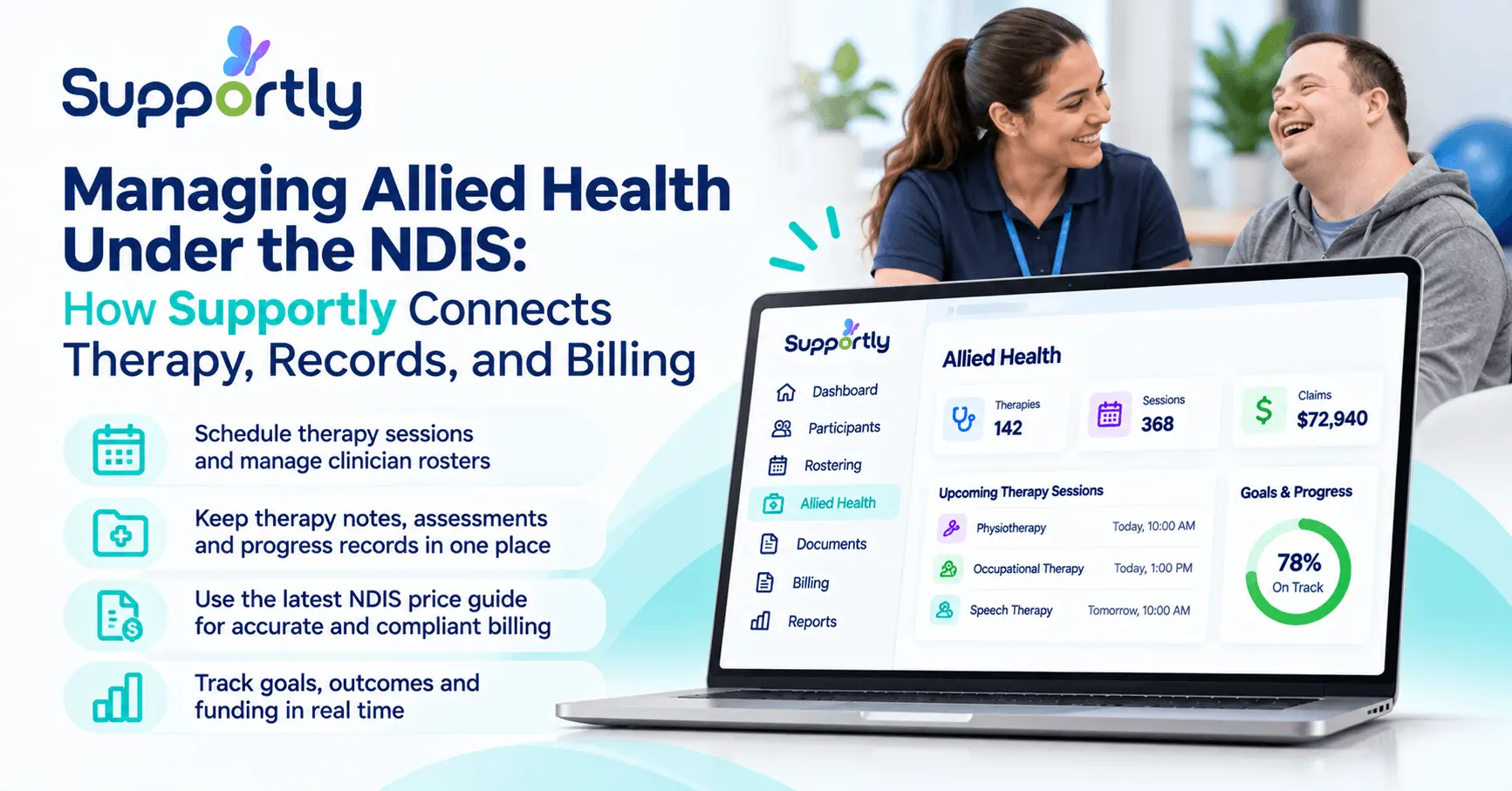
Supportly's NDIS allied health management software brings appointment scheduling, session documentation, goal tracking and NDIS billing into one connected system. Operations managers and allied health coordinators get one place to see what's happening, instead of three.
What Allied Health Management Requires Under the NDIS
NDIS allied health management covers appointment scheduling linked to participant plans, clinical session note documentation, accurate NDIS support item code billing, goal linkage between therapy outcomes and plan objectives, and structured progress reporting the NDIS Quality and Safeguards Commission can audit on demand.

How Disconnected Systems Create Allied Health Billing Gaps
Here's how the gap plays out in practice. A speech pathologist completes a home visit and logs clinical notes in a separate documentation tool.
That note never reaches the billing team. The session sits undelivered on the invoicing side, even though the support was fully provided and the participant's plan funds were available.
Or the reverse happens. The billing administrator processes the claim, but selects the wrong Capacity Building support item code because the administrator was working from a generic service description, not the therapist's actual session detail.
Wrong codes trigger claim rejections. Rejections mean rework, delayed payment to your organisation, and closer scrutiny at the next audit, exactly the outcome no allied health coordinator wants to explain to a plan manager.
This is not a training problem. It's a structural one. When clinical records, appointment scheduling and NDIS billing live in separate systems, someone has to manually bridge the gap, and manual bridges break under volume.
Providers running allied health alongside core supports and daily living assistance feel this most. Support workers log shift notes in the operations platform. Allied health practitioners document separately. Two records, one participant, and no automatic connection between them.
How Supportly's Allied Health Module Works
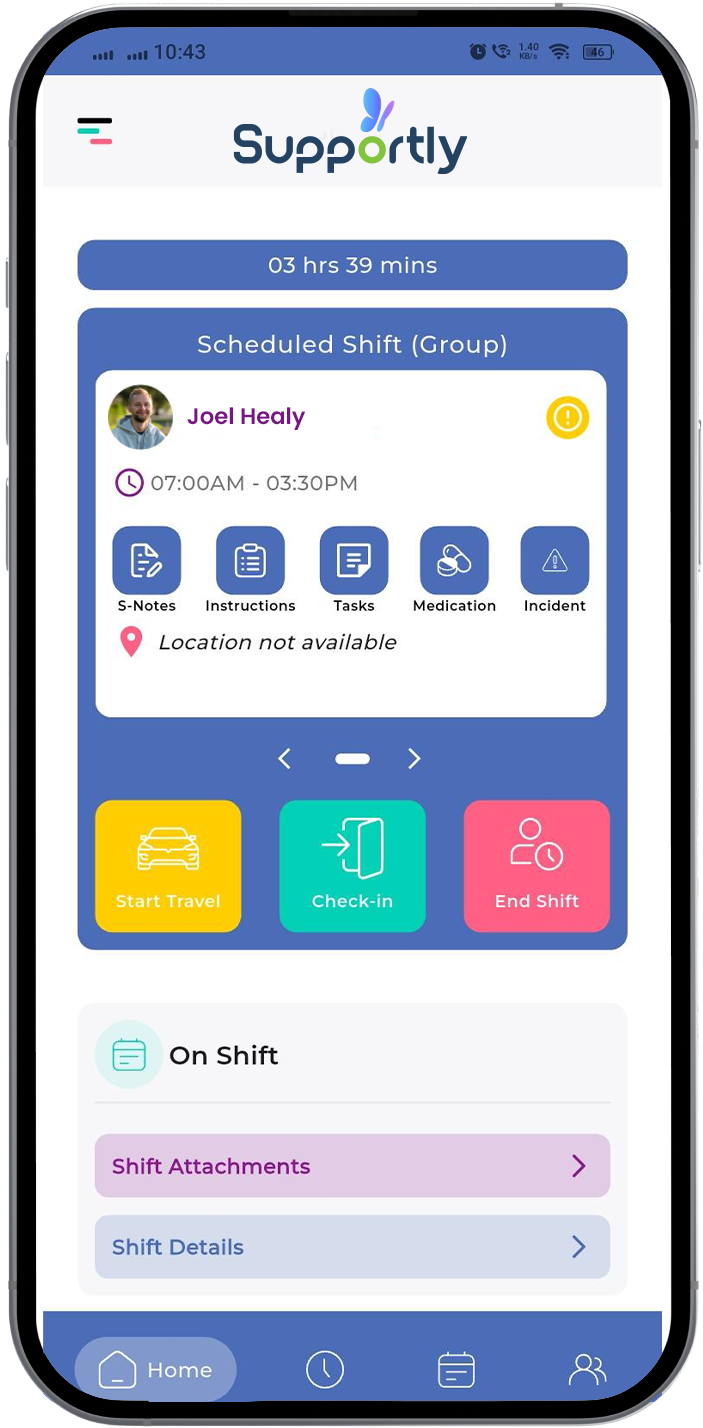
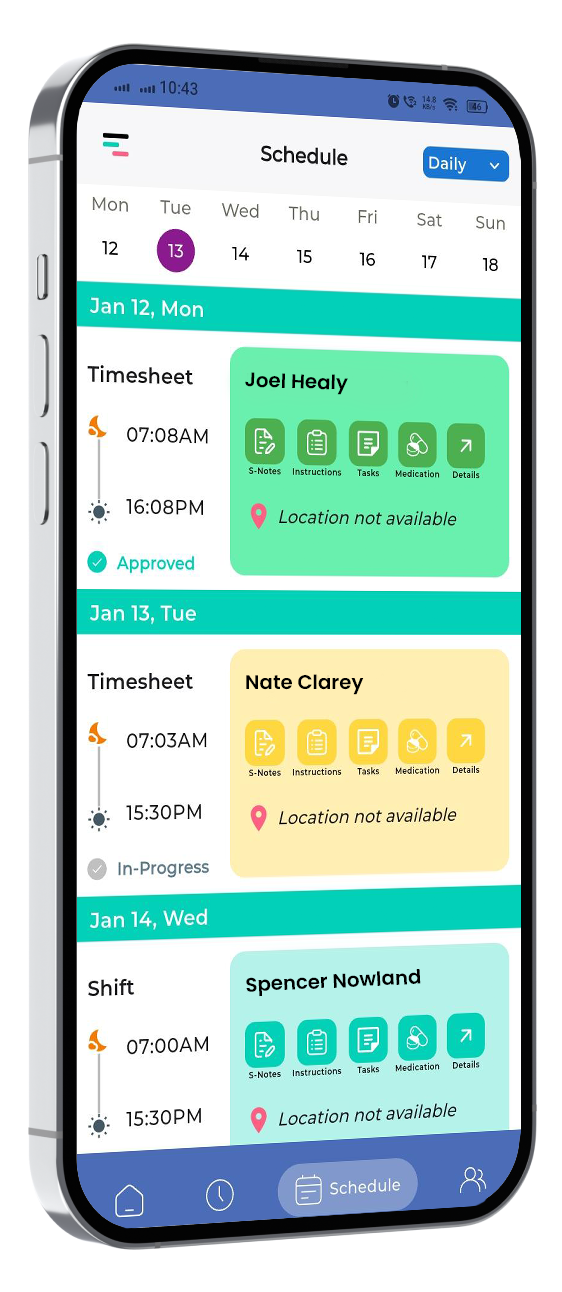
Supportly's allied health module removes the manual bridge. Appointment creation links directly to each participant's NDIS plan, so scheduling and funding sit in the same view from the first click.
Session notes get documented against the relevant goal, not as a standalone entry. When a physiotherapist records a session, that note connects straight back to the specific plan outcome it supports.
Support item code allocation happens automatically, drawn from the current NDIS price catalogue at the point of scheduling. The correct Capacity Building code applies before the session even runs, not after someone reviews it weeks later.
Once the session is marked complete, billing generates from that record directly. No re-entry, no separate invoicing platform, no gap between what was delivered and what gets claimed.
This mirrors how Supportly's invoicing feature already works for core supports: automated code allocation tied to actual service delivery, not administrator guesswork. Allied health now runs on the same logic.
Coordinators managing physiotherapy, occupational therapy, speech pathology, psychology, or podiatry under one NDIS provider get consistent process across every discipline. That consistency is what makes scaling allied health services manageable rather than chaotic.
Allied Health and Care Management: The Connected View
Therapy doesn't happen in isolation from the rest of a participant's support. A physiotherapy goal often connects directly to what a support worker helps practise during a home visit two days later.
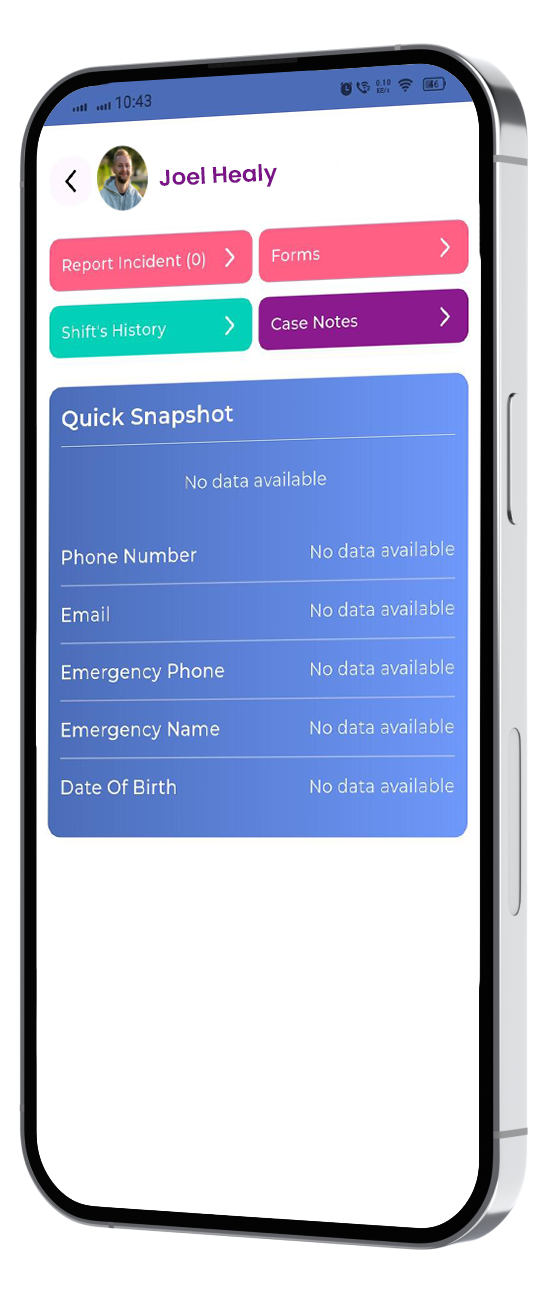
Supportly's care management feature brings allied health session outcomes into the same participant view as support worker shift notes, goals and support plans. One screen, one participant, every input.
A support coordinator preparing for a plan review no longer chases three separate teams for updates. Therapy progress, daily support notes and goal milestones sit together, ready to review in minutes rather than days.
This connected view matters most during NDIS audits. Auditors expect evidence that funded supports produce measurable outcomes, and disconnected systems make that evidence hard to assemble under time pressure.
With allied health data flowing into the same structured record as the rest of the participant's file, that evidence is already there. Coordinators export it, rather than build it from scratch during audit week.
It also changes how teams work day to day. A support worker can see that a participant achieved a mobility milestone in physiotherapy and adjust the next home visit accordingly, because that update is visible the moment the therapist saves it.
Billing Accuracy for Allied Health: How Supportly Prevents Code Errors
Support item code errors are the single biggest cause of NDIS claim rejection for allied health services. Getting Capacity Building codes wrong is common when therapists and billing staff work from different information sources.
Supportly's Automated Code Allocation feature solves this at the point of scheduling, not after the fact. When an allied health appointment gets created, the system applies the correct support item code based on service type, session structure and the participant's funding category.
The therapist doesn't need to look anything up. The billing administrator doesn't need to interpret a generic session description and guess at the right code weeks after the fact.
By the time the session is delivered and marked complete, the invoice already carries the correct code, drawn from the current NDIS pricing arrangements. That price catalogue updates automatically whenever the NDIA releases new rates, so allied health billing always reflects current pricing.
The result is fewer rejected claims, faster payment cycles, and an invoicing trail that's structured and audit-ready from the moment it's created. Finance teams spend less time chasing corrections and more time on work that actually needs a person.
For providers also running rostering across support worker shifts, this billing accuracy sits alongside the same automated approach used in Supportly's rostering module: one connected system applying consistent logic across every service type your organisation delivers.

See How Connected Allied Health Management Works
Chasing clinical notes, billing records and goal progress across separate systems costs your team time and puts claim accuracy at risk. Supportly connects allied health scheduling, documentation and NDIS billing in one operational view.
See Supportly Allied Health Management: Book a Demo
Explore Care Management Features
Frequently Asked Questions
Which allied health disciplines does Supportly manage?
Supportly supports physiotherapy, occupational therapy, speech pathology, psychology, podiatry, dietetics and other Capacity Building allied health services delivered under NDIS plans. Each discipline uses the same appointment, documentation and billing workflow.
How do session notes connect to NDIS goal progress?
Every allied health session note links to the specific participant goal it addresses. Coordinators see goal progress update in real time as therapists document each session, rather than compiling it manually for plan reviews.
Can telehealth sessions be recorded in Supportly?
Yes. Telehealth allied health sessions are logged through the same appointment and documentation workflow as in-person visits, with the correct NDIS support item code applied based on the delivery method and service type.
How does allied health billing connect to the plan manager email feature?
Once an allied health session is complete and invoiced, Supportly sends the invoice directly to the participant's plan manager using the direct email to plan manager feature. The send event logs against the participant file automatically.
Does allied health billing sync with Xero, MYOB or QuickBooks?
Yes. Allied health invoices flow through the same Xero, MYOB and QuickBooks integrations as the rest of Supportly's invoicing, so finance teams reconcile allied health billing alongside core supports without exporting or re-entering data.